
It might seem a little obvious, but words are pretty critical to the success (or failure) of any creative person; said wrong, set wrong and drawn wrong can make great work irrelevant.
As an avid complainer, it’s easy for me to merit the power of words but they shouldn’t be disregarded if you don’t constantly write upon the internet, fulfilling some deep fetish for someone to care about what you think. It shouldn’t be much of a surprise that words are a crucial tool for any creative, any person—as it’s the first learned human activity we are thrust into. That alongside making abstract patterns with a pack of crayons.
For anyone visually minded, I assume copywriting (the art of writing copy) seems a little boring, but we should accept it’s importance—for with the wrong words, we say the wrong thing. The way we interpret words has forever been the driving force behind all passions of this earth; how we understood the bible created endless masterpieces, and how we misunderstand the Qur’an spawns the fountain of hatred we see on our British streets today.
In a small studio (or even freelancing) any given graphic designer is rarely just that—you’ll find yourself playing accountant, conversing as a secretary and most importantly scrawling as a copywriter. Like swimming with dolphins, it’s a once in a lifetime opportunity to find yourself completely supplied with all necessary copy, professionally written—so knowing how to make clients eyes sparkle with thesaurus-like lust is a powerful tool for any designer.
note: this does not mean using ‘buzzwords‘ it’s about using the most correct words.
It’s not just designers that need to know their allegory from their exclamatory—as an illustrator knowing how to decipher the words supplied to you is imperative. Whether these words are those of your brief or the title of an article that you are creating imagery to support, you need to know how those words work before you can see how they look. Though you might not directly write words in your work, your work is to provide the visual release where written conversation would not, from colour to subject, words are your foundation.
With so many words in existence, how do you know where to start? How do you know the best way to tackle words? I’m afraid it’s just the most obvious method, read words and see words.
This isn’t simply me just saying, look at the word document before you and read all 150 words sent over to you by your client—I’m suggesting you find your way to words before anyone sends you them. Like many things in this world, if you are looking for the solution to a problem, it’s likely the past will hold the answer. Lucky for us, the human condition defines that we desire to document the past in great quantities, both in words and imagery. So here’s what you need to do, my child.
Read, read, read. Look, look, look. The people we refer to as great writers are heralded in such manner because of their taming of the language. The paintings we call masterpieces stand upon their pedestal because of how their shapes convey messages we couldn’t hope to read on a page. You’ll never know how to illustrate surveillance if you’ve never seen a copy of 1984 and you’ll never know worship until you’ve fallen into the ethereal skies of an Italian masterpiece. It’s all a matter of experience and understanding, to develop, just as language has.
Learn to love. Perhaps a desire for words doesn’t lay within us all, but a strong grasp of them can. I can’t think of any course that doesn’t have students terrified over the idea of the dissertation, but we should relish the opportunity to explore our passions in such depth with the promise of it being read. The problem many of us face is the fear of having to use words to any extent – whether needing to write said words or read them – and this is likely due to the masses of history locked away behind the printed word, intimidating us to live up to their god-like legacy.
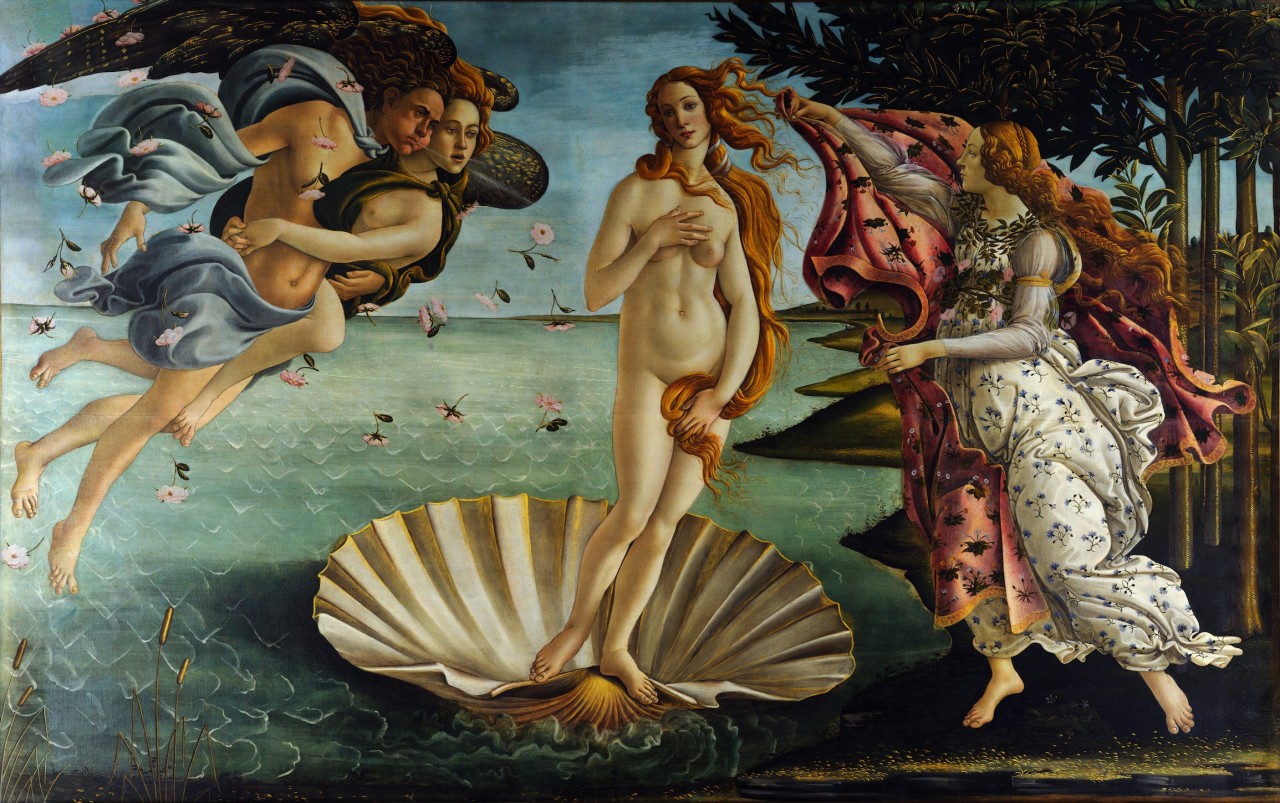
Lose the fear. We shouldn’t fear words as we do, because each of us use them everyday but only fear them when we are required to use them rather than using them of our own volition. I understand the fear we feel, as misunderstood, twisted and construed words have been the source of countless conflicts through our history but as words slowly lose their physical existence, we should strive to employ them to their best available use.
Use the facilities. When talking to people, they often exclaim they know not which words they should use or even when to use them. If you give yourself a second to figure out why you think this, you’d see the problem with writing isn’t as tough as you think it to be.
Can’t find the right word, source a Thesaurus.
Not sure how to write, read a well written piece.
Bad with spelling, get a spell check.
I can see that if you were forever faced by these problems, writing anything would feel daunting but they aren’t impassible barriers. My other half who struggles heavily with dyslexia spells me under the table and works daily with drug names that even a greek scholar would struggle.
Words are important, treat them as such and they’ll look after you.
